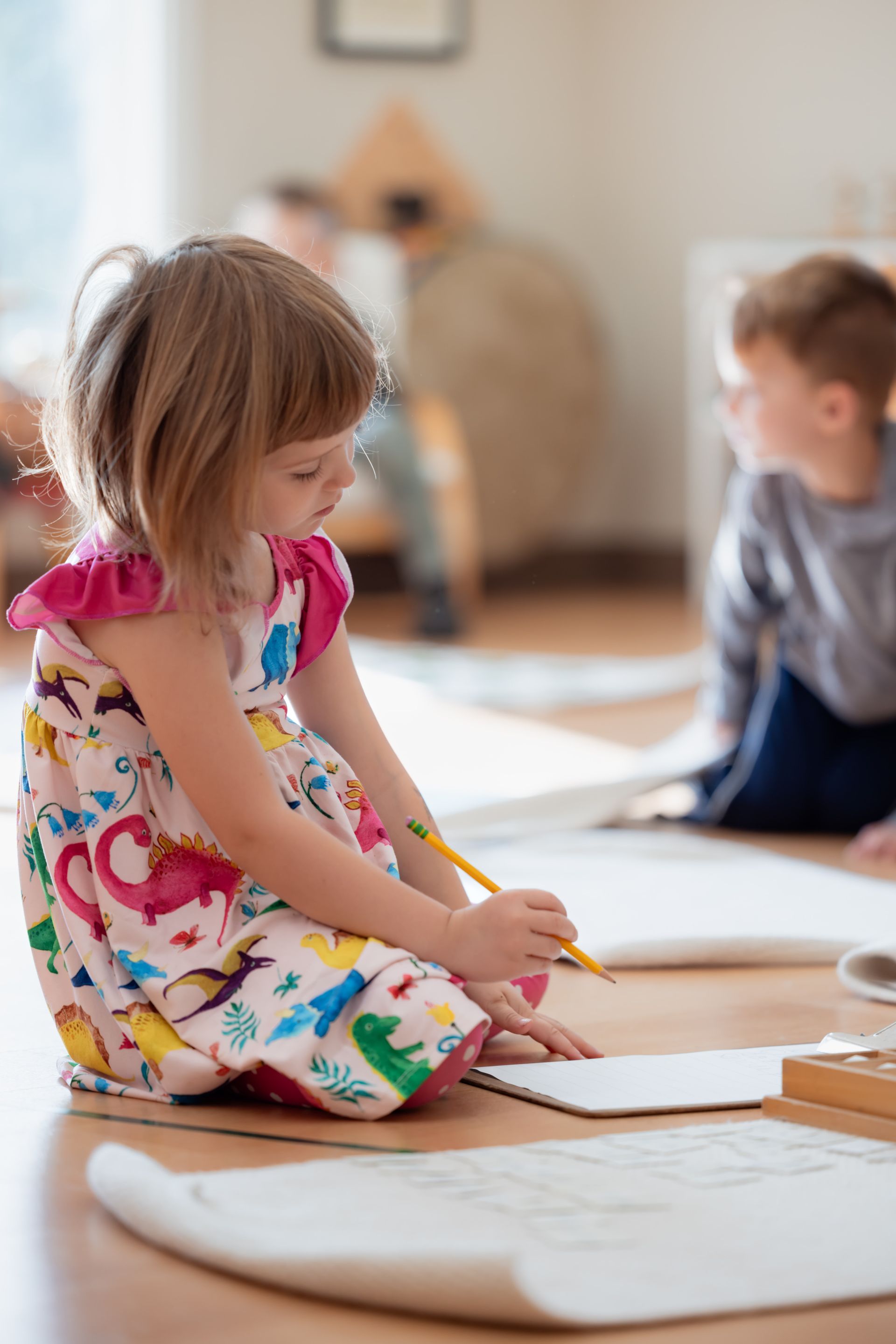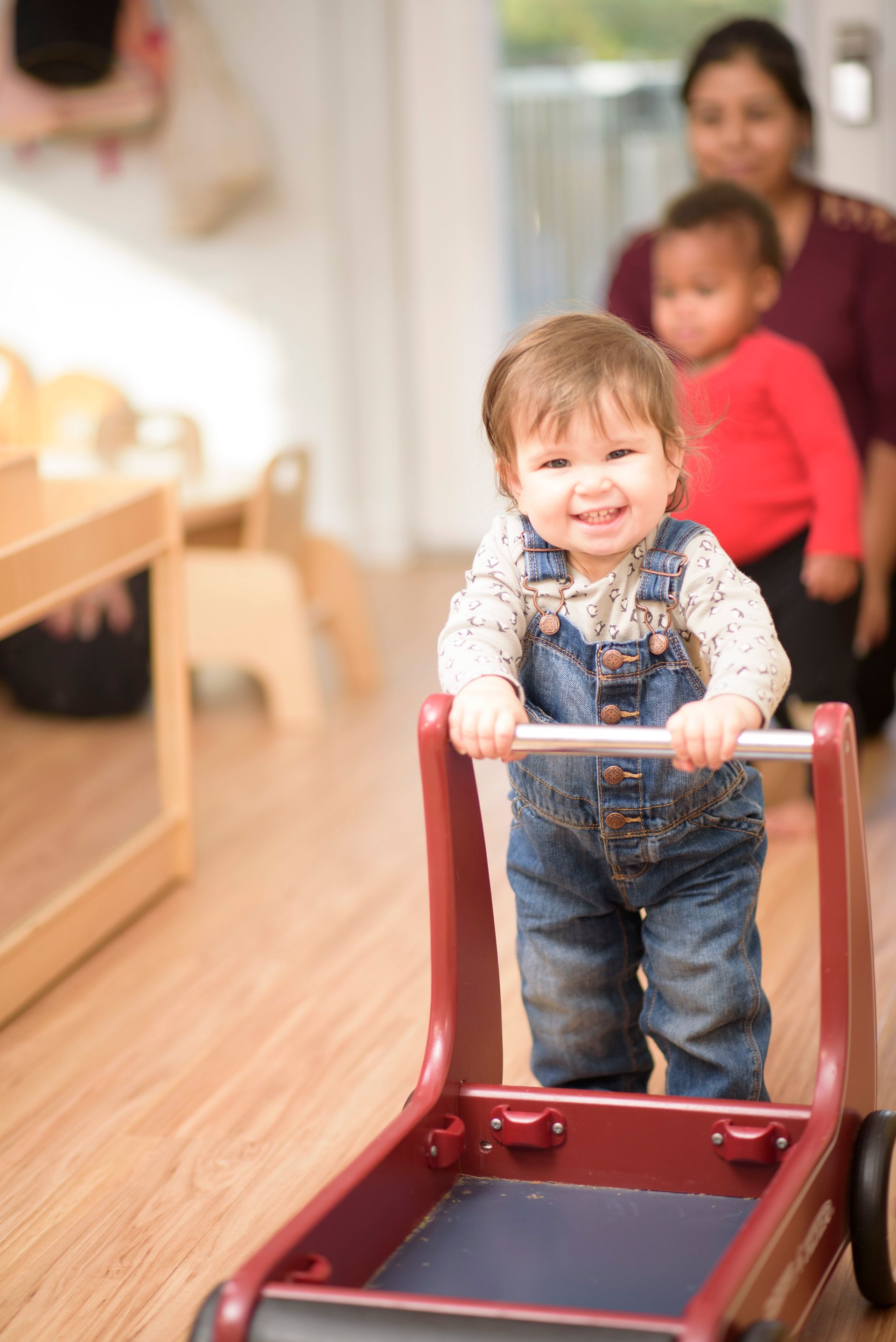
In a child’s journey toward independence, one of the earliest and most meaningful steps is learning to care for themselves. In Montessori, this essential area of development is part of Practical Life—a core component of our curriculum that supports both physical coordination and psychological growth.
A Prepared Environment for Self-Care
At Wonderland Montessori, our environments are intentionally designed to foster this natural drive toward autonomy. Everything is accessible at the child's level: low sinks they can reach, faucets they can operate independently, and soap sized just right for small hands.
Activities that were once done to children—like washing hands, brushing hair, or putting on a jacket—become tasks done by children, with increasing skill and pride. These seemingly simple moments carry profound developmental weight. They reinforce a child's sense of self-worth and strengthen their ability to function independently across every stage, from our Nido and Toddler communities into the Children’s House.
A Daily Landmark: Learning to Wipe the Nose
In the Montessori approach, even the smallest daily task is viewed as a meaningful opportunity to build confidence. One activity often overlooked by adults—but deeply empowering for young children—is learning how to wipe their own nose.
Introduced during the Nido and Toddler years, this Practical Life exercise is about much more than hygiene. It teaches body awareness, deliberate movement, and spatial orientation.
This is also an wonderful activity to recreate in your home!
Setting Up the Home Environment
To support your child at home, prepare the space with intentionality:
- Accessible Supplies: Place a small basket holding 8–10 folded tissues at your child's height.
- A Visual Anchor: Mount or rest a child-safe mirror at eye level so your child can observe their face and coordinate their movements.
- Waste Management: Position a small, open trash can directly next to the station for easy disposal.
Step-by-Step Guidance
When introducing the activity, guide your child with slow, deliberate movements and clear language:
- Invite the Child: Walk together to the mirror. Gently bring awareness to their nose ("I notice your nose needs cleaning. Let's care for it together.").
- Demonstrate the Work: Select a tissue, unfolding it deliberately. Face the mirror so your child can watch.
- Form the "Tent": Show how to hold the tissue so it forms a gentle "tent" shape over the nose.
- Wipe and Fold: Wipe upward and outward gently. Fold the tissue in half to cover the soil, then use a clean edge to dab under the nose.
- Dispose and Clean: Toss the used tissue into the waste bin. Invite your child to try with a fresh tissue.
- Handwashing Follow-Up: Always conclude the process by walking together to wash hands, reinforcing healthy habits.
Note: For younger infants or during cold season, pre-moistened wipes can be substituted. In Montessori environments, active nose-blowing is typically introduced around 2.5 to 3 years of age once breath control is established and to protect ear health.
The Deeper Purpose: Points of Interest
Children learn best when specific details draw their attention and refine their movements. In Montessori, we call these Points of Interest. During nose wiping, children naturally focus on:
- Watching their own reflections to guide their hands accurately.
- The tactile feedback of folding and unfolding the tissue.
- Taking pride in seeing their face clean in the mirror.
Cultivating Capability and Dignity
Care of self is about far more than cleanliness; it is a celebration of a child’s unfolding capability. When we break down tasks into manageable steps and offer respectful guidance, we give children the tools they need to navigate the world with confidence and dignity.
We invite you to experience how Practical Life unfolds in our classrooms.
Visit any of our four Texas campuses (Flower Mound, Las Colinas, McKinney, or Trophy Club)
to observe our prepared environments and see authentic Montessori education in action.