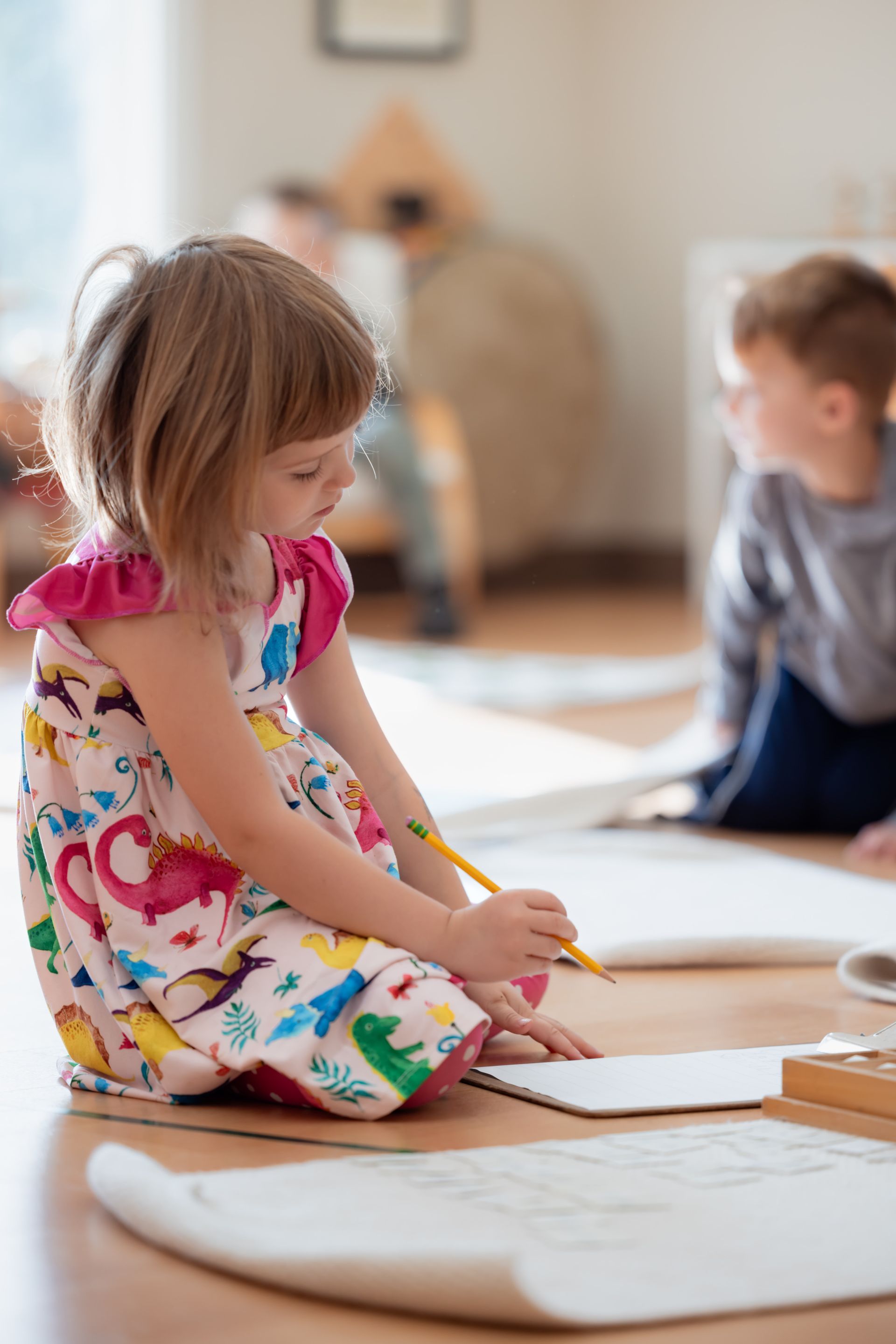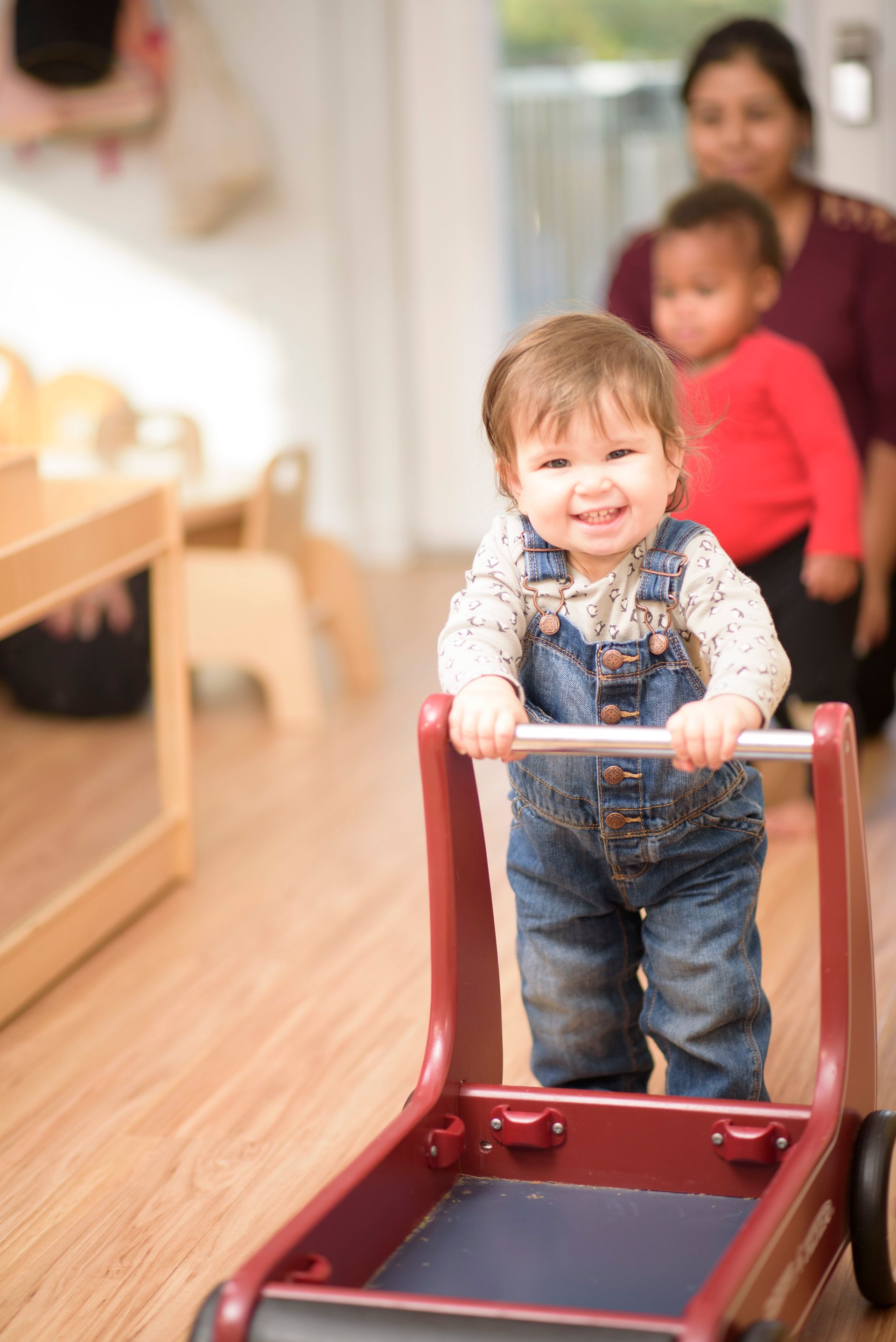
"If we try to think back to the dim and distant past... what is it that helps us reconstruct those times, and to picture the lives of those who lived in them? It is their art... It is thanks to the hand, the companion of the mind, that civilization has arisen."
— Dr. Maria Montessori, The Absorbent Mind
Art is a deeply human experience. Whether we are creating it ourselves or observing the work of others, art touches us. It evokes reflection, offers a window into different perspectives, and serves as a record of human history and culture. Research consistently shows that engaging with art supports cognitive development, fine motor control, spatial awareness, and emotional regulation in children.
While many educational settings face budget constraints that reduce time spent on creative expression, art is never an afterthought in an authentic Montessori school. At Wonderland Montessori, art is thoughtfully integrated into daily life. It is woven into geometry, botany, history, and Practical Life, as well as offered through direct exploration with raw materials.
Art education is a vibrant, permanent part of our curriculum across our Nido, Toddler, and Children's House environments. Beyond the classroom, families often ask how they can extend this appreciation for creative expression into their home life.
Here are a few meaningful ways to invite art into your family's daily rhythms.
1. Explore Art Within Your Local Community
You don't need a formal museum pass to experience art together—art is all around us in our local Texas communities. A weekend outing can easily become an inspiring visual scavenger hunt:
- Local Public Art & Murals: Take a walk through your city center or local parks to admire murals, architectural details, and outdoor sculptures.
- Libraries and Municipal Buildings: Local libraries often feature rotating galleries or display work by local community artists.
- Nature-Based Art: Work together as a family to create "environmental art." Gather fallen leaves, twigs, stones, or seed pods in a park or your backyard, and arrange them into temporary patterns or sculptures directly on the ground.
Observing art in public spaces helps children understand that creativity is a living, accessible part of daily life.
2. Bring Art History and Masterpieces into Your Home
Inviting fine art into your living space can be simple, beautiful, and budget-friendly:
- Postcard Galleries: Pick up art postcards at a local museum, or cut images from an old fine art calendar. Mount them at your child's eye level in their room or hallway, rotating the images periodically to spark fresh interest.
- Art Books on Low Shelves: Look for oversized art books at local second-hand bookstores or your community library. Place them on low shelves where your child can freely open them and explore full-page print reproductions.
- Display Local and Fine Art Prints: Frame affordable prints of famous works or pieces by local artists, hanging them at eye level where your child can comfortably view and appreciate the details.
3. Prepare an Art Work Area at Home
In a Montessori environment, art materials are carefully prepared on open trays or baskets so children can choose them independently. You can recreate this same sense of order and autonomy at home by setting up a small tray or basket on a low shelf, windowsill, or table.
Here are three simple, self-contained art activities to prepare at home:
- Clay or Playdough Modeling: Place a sealed container of natural playdough or modeling clay on a tray alongside a few natural items—smooth stones, sea shells, or wooden beads. Young children love exploring textures, while older children construct intricate 3D sculptures.
- Miniature Watercolors: Cut heavy watercolor paper into small, manageable rectangles (about 4x6 inches). Smaller paper feels less overwhelming to a young child and encourages thoughtful focus. Place the paper on a tray with a small jar for water, a brush, and a paint palette.
- Paper Collage: Offer a small tray with a glue stick, child-safe scissors, a few sheets of backing paper, and a basket of paper scraps—such as magazine cutouts, textured wrapping paper, or colorful mailers. Collage work refines hand strength and spatial reasoning for all age groups.
Cultivating the Artist Within
When we provide children with beautiful materials, child-sized tools, and the freedom to explore without judgment, we honor Dr. Montessori’s vision of the hand working in harmony with the mind. Art in a Montessori home isn't about producing a picture-perfect craft—it is about the joyful process of creation, self-expression, and discovery.
We invite you to learn more about how expressive art and Practical Life intersect in our prepared environments. Visit any of our four campus locations to see our guides and children at work.
Schedule a tour today!